Overview: what this AI agent does
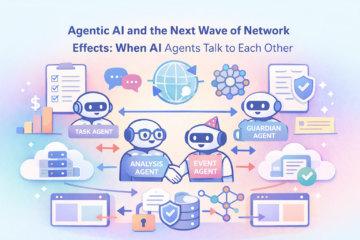
A Data Analytics Agent is an AI autonomous agent that turns raw data into timely insights by automating analytics workflows end-to-end—from data discovery and preparation to KPI reporting, anomaly detection, and insight narratives. It can answer business questions in natural language, generate dashboards and recurring reports, and proactively surface trends and risks (like churn signals, margin drops, or supply issues). The agent helps teams make faster, better decisions by reducing the manual effort of analysis and ensuring consistent, governed metrics across the business.
Typical workflows it automates (examples)
- KPI definition & metric mapping (standardise calculations, align definitions across teams)
- Data discovery & profiling (identify tables, fields, data quality issues, and relationships)
- Automated reporting (daily/weekly/monthly scorecards, exec summaries, stakeholder-ready slides)
- Dashboard creation & maintenance (build/update BI dashboards, add filters, refresh logic)
- Self-serve Q&A (natural-language queries → SQL/semantic layer → explained answers)
- Anomaly detection & alerts (spikes/drops, outliers, broken pipelines, unusual behaviour patterns)
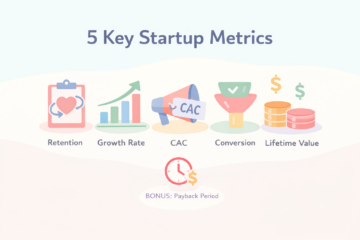
- Segmentation & cohort analysis (customer/product cohorts, retention curves, LTV patterns)
- Funnel and conversion analysis (drop-offs, attribution signals, experiment readouts)
- Forecasting & scenario views (baseline projections, sensitivity analysis, what-if assumptions)
- Data quality monitoring (missing values, duplicates, freshness checks, reconciliation to source systems)
The tools and data it typically integrates with
A Data Analytics Agent becomes most valuable when connected to your data stack and business systems:
- Data warehouses/lakes: Snowflake, BigQuery, Redshift, Databricks; curated datasets and historical facts
- BI & visualisation: Power BI, Tableau, Looker, Metabase; dashboards, semantic layers, permissions
- Data transformation: dbt, SQL models, notebooks; metric models, reusable transformations
- Orchestration & monitoring: Airflow, Dagster, Prefect; pipeline schedules, SLAs, run logs
- Data catalogue & governance: DataHub, Collibra, Alation; lineage, definitions, ownership, policies
- Operational sources: CRM (Salesforce/HubSpot), product analytics (Amplitude/Mixpanel), finance (NetSuite/Xero), support (Zendesk), marketing (HubSpot/Marketo)
- Experimentation: feature flag/A/B platforms; test design, results, guardrails
- Collaboration: Slack/Teams, email, Notion/Confluence; alerts, insights distribution, documentation
Human-in-the-loop governance (how you stay in control)
Human oversight ensures the agent’s insights are accurate, interpretable, and aligned with business definitions. Teams approve KPI definitions, metric logic, and semantic-layer mappings so the agent can’t “invent” calculations. When the agent produces high-impact analyses—such as revenue forecasts, churn drivers, or pricing recommendations—humans may require review before distribution to validate assumptions, methodology, and context.
Quality is maintained through traceability and continuous review. The agent can attach sources (tables, filters, query logic) and confidence notes, making it easy for analysts to verify results and quickly correct issues. Sampling, QA checks, and feedback loops help refine dashboards, alert thresholds, and data quality rules over time—so the agent stays reliable as your data, products, and processes evolve.
Conclusion
For startups and SMEs, a Data Analytics Agent accelerates decision-making by delivering consistent, always-on insights without needing a large analytics team. It reduces reporting burden, catches issues earlier, and makes data more accessible across the business—while keeping governance in place through human-approved metrics and auditable outputs. The result is faster learning, stronger performance tracking, and more confident decisions at every stage of growth.