Overview: what this AI agent does
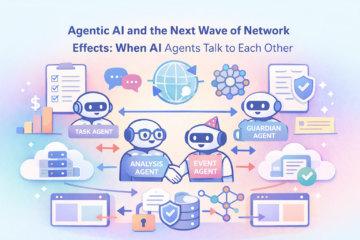
An Outbound SDR Agent is an AI autonomous agent that executes outbound prospecting workflows end-to-end: identifying the proper target accounts, researching decision-makers, drafting personalised outreach, and coordinating follow-ups until a meeting is booked or the lead is disqualified. It uses your ideal customer profile (ICP), messaging pillars, and compliance rules to run consistent, high-quality outreach at scale—while keeping sales teams focused on qualified conversations instead of repetitive prospecting tasks.
Typical workflows it automates (examples)
- ICP targeting & list building (identify matching companies by industry, size, geography, intent signals)
- Contact discovery & role mapping (find relevant stakeholders, titles, org structure, buying committee hints)
- Account research briefs (quick summaries: what they do, recent news, tech stack, pain hypotheses)
- Personalised outreach drafting (email, LinkedIn messages, call scripts tailored to persona and context)
- Sequence execution (multi-step cadences with timing rules, channel switching, and follow-up logic)
- Inbound-to-outbound triggers (website visits, content downloads, webinar attendance → outbound follow-up)
- Objection handling suggestions (recommended replies with value proof points and case-study snippets)
- Meeting scheduling assistance (propose times, coordinate calendars, confirm agenda and attendees)
- Lead qualification & routing (capture answers, score fit/intent, hand off to AE with full context)
- CRM hygiene & reporting (log activities, update stages, tag outcomes/reasons, performance dashboards)
The tools and data it typically integrates with
Outbound SDR Agents become powerful when connected to your sales stack and approved data sources:
- CRM: Salesforce, HubSpot, Dynamics; accounts, contacts, opportunities, activity history
- Sales engagement: Outreach, Salesloft, Apollo, HubSpot Sequences; cadences, A/B tests, deliverability controls
- Email & calendar: Google Workspace, Microsoft 365; sending, threading, scheduling, follow-up reminders
- Prospecting & enrichment data: LinkedIn, ZoomInfo, Clearbit, Apollo, Crunchbase; firmographics, roles, verified emails (where licensed)
- Intent & signals: G2/6sense/Bombora (if available), website analytics, content engagement, job postings
- Conversation & calling: dialers/VoIP tools, call notes, transcripts, voicemail drops (where used)
- Messaging assets: value props, persona playbooks, case studies, competitive notes, pricing guardrails
- Compliance & governance: unsubscribe management, consent status, suppression lists, regional rules (e.g., GDPR), audit logs
- BI & dashboards: pipeline metrics, conversion rates, reply sentiment, meeting-to-opportunity performance
Human-in-the-loop governance (how you stay in control)
Human oversight keeps outbound both effective and safe. Teams set the ICP, messaging guardrails, and disqualification rules, while the agent proposes targets and drafts outreach for review—especially for high-value accounts, regulated industries, or sensitive messaging. Approval gates can be used for new sequences, new domains, or any outreach that touches pricing/claims, ensuring your brand voice and value promises remain consistent.
Quality is maintained through review loops and measurable controls. A percentage of outbound messages and call scripts can be QA-checked for relevance, tone, compliance, and deliverability best practices, with feedback used to improve templates and targeting logic. Clear audit trails and performance reporting (opens, replies, meetings booked, pipeline conversion) help humans spot drift early—so the agent remains aligned, accurate, and continuously improves over time.
Conclusion: the value for startups and SMEs
For startups and SMEs, an Outbound SDR Agent can unlock a predictable pipeline by scaling consistent prospecting without hiring a large SDR team. It increases outreach volume while improving personalisation, speeding up response handling and follow-up timing, and ensuring cleaner handoffs to sales. The result is more qualified meetings, better pipeline visibility, and a sales motion that scales efficiently—while humans stay in control of strategy, messaging, and governance.