Sectors · Bio-engineering
Engineering biology: big breakthroughs, hard economics
Biology is becoming programmable, and AI is speeding up discovery. But R&D is costly, timelines are long and returns are uncertain, so knowing where to focus matters more than ever.
Activo Group brings its Solutions experience to bio-engineering ventures: sharper portfolio and funding strategy, plus AI agents, analytics and digital products that make every pound of R&D work harder.
- Biotech startups
- Investors & VCs
- Corporate R&D
- University spinouts
Why bio-engineering ventures are different
Bio-engineering applies engineering to living systems, from gene therapies and engineered microbes to bio-based materials and gene-edited crops. The science is moving fast. The economics are not: most value is created at a handful of milestones, after years of spending.
That makes strategy, capital efficiency and evidence the real competitive advantages. The winners pick the right problem, prove the riskiest assumption first, and fund the journey milestone by milestone.
A typical software venture
Build, launch, iterate
- A working product in months
- Revenue can start early and compound
- Mistakes are cheap to fix
- Moats come from distribution and data
A bio-engineering venture
Prove, de-risk, then scale
- Years of R&D before first revenue
- Capital-intensive labs, trials and manufacturing
- Regulatory gates and binary outcomes
- Moats come from IP, data and validated biology
The R&D value curve
Illustrative shape; timelines and costs vary widely by field.
Value jumps at milestones, not months
- 1Proof of concept: the biology works
- 2First human or pilot-scale data
- 3Pivotal data or proven unit economics
- 4Approval, first sales or a partnering deal
- Raise enough to reach the next milestone, with buffer
- Run the cheapest experiment that could kill the idea first
- Partner, license or use grants to cross the valley
The top trends shaping bio-engineering
Nine shifts are redrawing the map. Some attract capital now; others are earlier and need patient money. The labels show our current read of investor appetite.
1 · AI-designed molecules
Generative biology
Models that design proteins, antibodies and small molecules from scratch, cutting the search space before the lab.
Capital flowing2 · Programmable medicines
Gene editing and RNA
Base and prime editing, in-body delivery and RNA therapies moving from rare diseases toward common ones.
Selective3 · Next-gen biologics
Smarter targeting
Bispecifics, antibody-drug conjugates, T-cell engagers and targeted radiotherapies, often licensed in from Asia.
Capital flowing4 · Big disease areas
Immunology and metabolic
Autoimmune disease, obesity and cardiometabolic conditions, where large markets meet active pharma buyers.
Capital flowing5 · Longevity
Cellular reprogramming
Resetting cells to a younger state and targeting the biology of ageing. Long horizons, a few very large bets.
Selective6 · Biomanufacturing
Synthetic biology at scale
Engineered microbes and precision fermentation for chemicals, materials and food, where scale-up economics decide winners.
Selective7 · Self-driving labs
Automation and bio-data
Robotic labs and AI that run design-build-test-learn loops around the clock, generating proprietary data.
Capital flowing8 · Diagnostics
Biosensors and early detection
Liquid biopsy, wearables and point-of-care tests that turn biology into continuous, actionable data.
Selective9 · Food and agriculture
Gene-edited crops and microbiomes
Climate-resilient crops, soil microbes and alternative proteins, shaped by regulation and cost parity.
Early, patient moneyTrend map: time to revenue against capital intensity
Our judgement, for orientation only; individual companies vary.
Reading the map
- 1AI-designed molecules
- 2Gene editing and RNA
- 3Next-gen biologics
- 4Immunology and metabolic
- 5Longevity
- 6Biomanufacturing
- 7Self-driving labs and bio-data
- 8Diagnostics and biosensors
- 9Food and agriculture
- Lean platforms reach proof fastest and suit first-time founders
- Deep science needs specialist investors and pharma partners
Where the capital is going
Money hasn’t left biotech, but it has become far more selective. In 2026, investors are backing fewer companies with larger rounds, favouring de-risked programmes with clear clinical milestones, while early-stage rounds have become harder to close.
Market signals in 2026
- Capital is concentrated: biopharma venture funding topped $16 billion in the first half of 2026, but flowed to a small number of later-stage, de-risked companies
- Early stage is tight: early-stage rounds were on track for their lowest dollar value in years
- AI-native discovery leads the mega-rounds: AI drug discovery and molecule design drew several of the year’s largest raises
- Cancer and immunology dominate: together they made up more than 40% of venture rounds in the first half of 2026
- Exits follow pharma’s needs: acquirers are buying to refill pipelines ahead of major patent expiries, with obesity and cardiometabolic deals prominent
Sources: BioSpace, Q3 2026 venture review; BioPharma Dive, July 2026 venture funding analysis.
What it means
Illustrative: where investor attention sits today.
- Startups must show more evidence for less money before raising
- Non-dilutive funding and partnerships matter more than ever
- A clear buyer, such as a pharma acquirer or offtake partner, strengthens the story
- Investors who can judge early science well face less competition for the best deals
Where startups should focus
Problem
Pick a wedge with fast proof
Choose the indication, product or customer where you can show meaningful evidence soonest and for least cash.
Evidence
Kill the riskiest assumption first
Design experiments that could prove you wrong early. A cheap “no” protects years of runway.
Moat
Own data, not just IP
Proprietary experimental data plus AI models compound over time and are hard for others to copy.
Capital
Fund to the next inflection
Size each raise to reach a milestone that changes the valuation, with a buffer for setbacks.
Leverage
Partner before you build
Use CROs, CDMOs, shared labs, licensing and co-development rather than owning every step.
Market
Know your buyer early
Map regulators, payers, partners and likely acquirers from day one, and design evidence they will value.
Matching funding to the stage
| Stage | Milestone to reach | Typical funding |
|---|---|---|
| Discovery | Biology validated in the lab | Grants, angels, university and pre-seed funds |
| Preclinical / prototype | Lead candidate or working prototype | Seed and Series A, R&D tax credits, grants |
| Clinical / pilot | First human or pilot-scale data | Series B+, strategic partners, licensing |
| Pivotal / scale-up | Pivotal results or proven unit economics | Late-stage VC, venture debt, project finance |
| Launch | Approval, first sales, offtake | IPO, M&A, asset and working capital finance |
Non-dilutive levers to stretch runway
- R&D tax credits on qualifying research spend
- Government and innovation agency grants
- Health and philanthropic research funding
- Paid pilots and research partnerships with industry
- Asset finance for lab and manufacturing equipment
Build your pitch with Activo+ funding tools →
Where investors should focus
Uncertain returns call for a disciplined portfolio: a core of de-risked programmes, a set of platform bets, and a few moonshots, each judged against the next milestone and the cost of reaching it.
Signals worth backing
Evidence, leverage and a buyer
- Biology validated by independent data, not just a hypothesis
- A platform proven through at least one strong asset
- Proprietary data loops that improve with every experiment
- A capital plan tied to clear value-inflection points
- A team with translational, regulatory and commercial depth
Red flags
Science without a path
- “AI” as a label rather than a measurable speed or cost advantage
- No clear route through regulation or reimbursement
- Scale-up costs ignored until after the pilot
- One shot on goal with no fallback assets
- No obvious acquirer, partner or paying customer
A balanced bio-engineering portfolio
Example allocation
- Core: later-stage programmes with data and a clear buyer
- Platforms: AI, automation and data businesses that serve many programmes
- Moonshots: early science with outsized upside, sized to lose
Illustrative only, not investment advice.
Questions we help investors answer
- Is the biology real, and how strong is the evidence?
- What does it cost to reach the next milestone, and what will it be worth?
- Is the AI or data advantage measurable and defensible?
- Who buys this, and when?
- What happens if the lead programme fails?
Make every R&D pound work harder
AI won’t remove the uncertainty of biology, but it can shrink the search, speed up each cycle and help teams stop weak ideas sooner. We combine a stage-gated R&D portfolio with an AI-assisted research loop.
Research
AI agents scan literature, patents and prior results to map what is known.
Design
Hypotheses and candidate designs generated, ranked and simulated.
Build & test
Only the most promising experiments run, increasingly automated.
Learn
Results, including failures, feed a growing research graph and models.
Decide
Stage gates: continue, pivot, partner or stop, based on evidence.
↺ Faster cycles, earlier decisions
A stage-gated R&D portfolio
Kill early, kill cheap: clear stop criteria at every gate.
What a research graph keeps
- Requirements and the problem being solved
- Literature and the patent landscape
- Hypotheses, with the evidence for and against
- Every experiment, including the ones that failed
- Candidate designs, results and potential IP
A living record that makes each new cycle smarter, and strengthens IP.
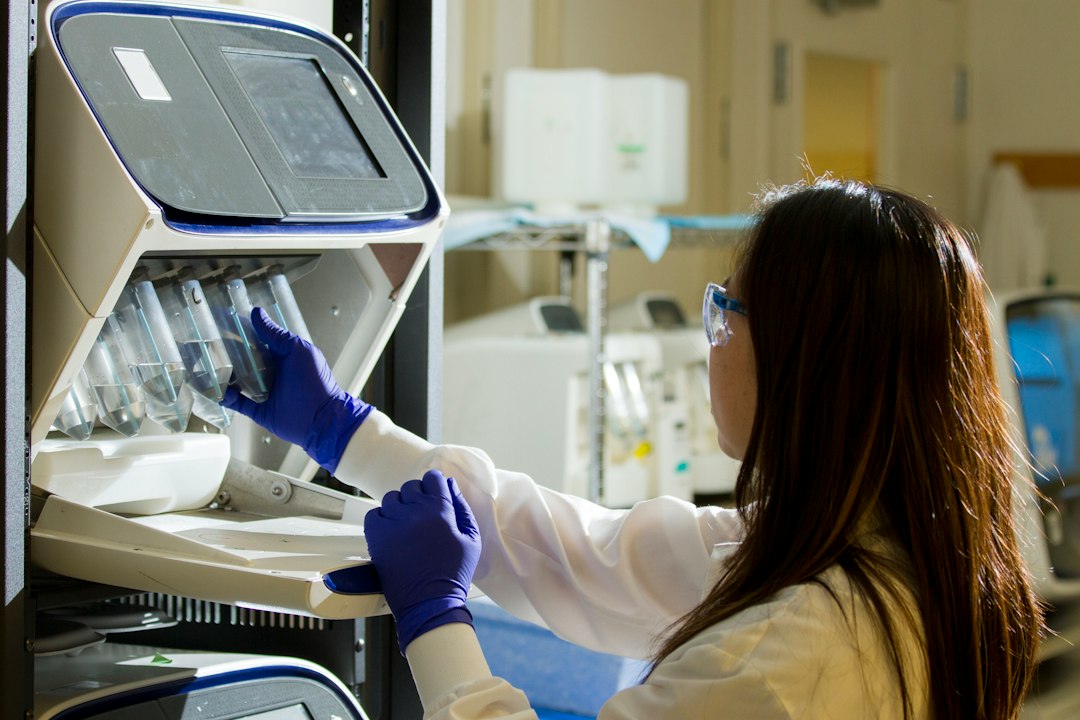
Biology generates the data; AI and good strategy decide what to do with it.
Solutions, applied to bio-engineering
Decide
Strategy that respects the science
- Strategy Execution: a stage-gated R&D portfolio with clear continue and stop criteria
- Product Market Fit: the right indication, customer and buyer, and the evidence they need
- Growth Mindset: partnering, business development and a compelling investor story
- Funding readiness: milestone-based capital plans, grants and pitch decks
Build
Tools that speed up R&D
- AI Models & Agents: literature, patent and experiment-planning agents
- Actionable Analytics: portfolio, burn and milestone tracking that flags risks early
- Product Development: digital products, lab data platforms and integrations
- Research graphs that capture every hypothesis, result and idea
Where we help
Venture review
Test the science, market, capital plan and route to an exit or partner.
R&D portfolio
Stage gates, kill criteria and resource allocation across programmes.
Funding readiness
Milestone-based capital plans, grants, R&D tax credits and pitch decks.
AI research agents
Literature, patent and experiment-planning agents with a shared research graph.
R&D analytics
Burn, runway and milestone dashboards for boards and investors.
Investor due diligence
Independent review of science, data advantage, plan and risks.
Related services
Start today
Turn breakthrough science into a fundable plan
Whether you’re building a bio-engineering venture or investing in one, tell us where you are on the R&D curve. We’ll help you focus on the evidence that matters, stretch the runway and get to the next milestone faster.