
Sectors · Supply Chain
Adaptive supply chains that serve customers better, for less.
Demand shifts overnight, lanes close, tariffs change and customers still expect their orders on time. We help you automate, optimise and redesign your supply chain so it senses change early, responds in hours rather than weeks, and keeps service levels high while cost comes down.
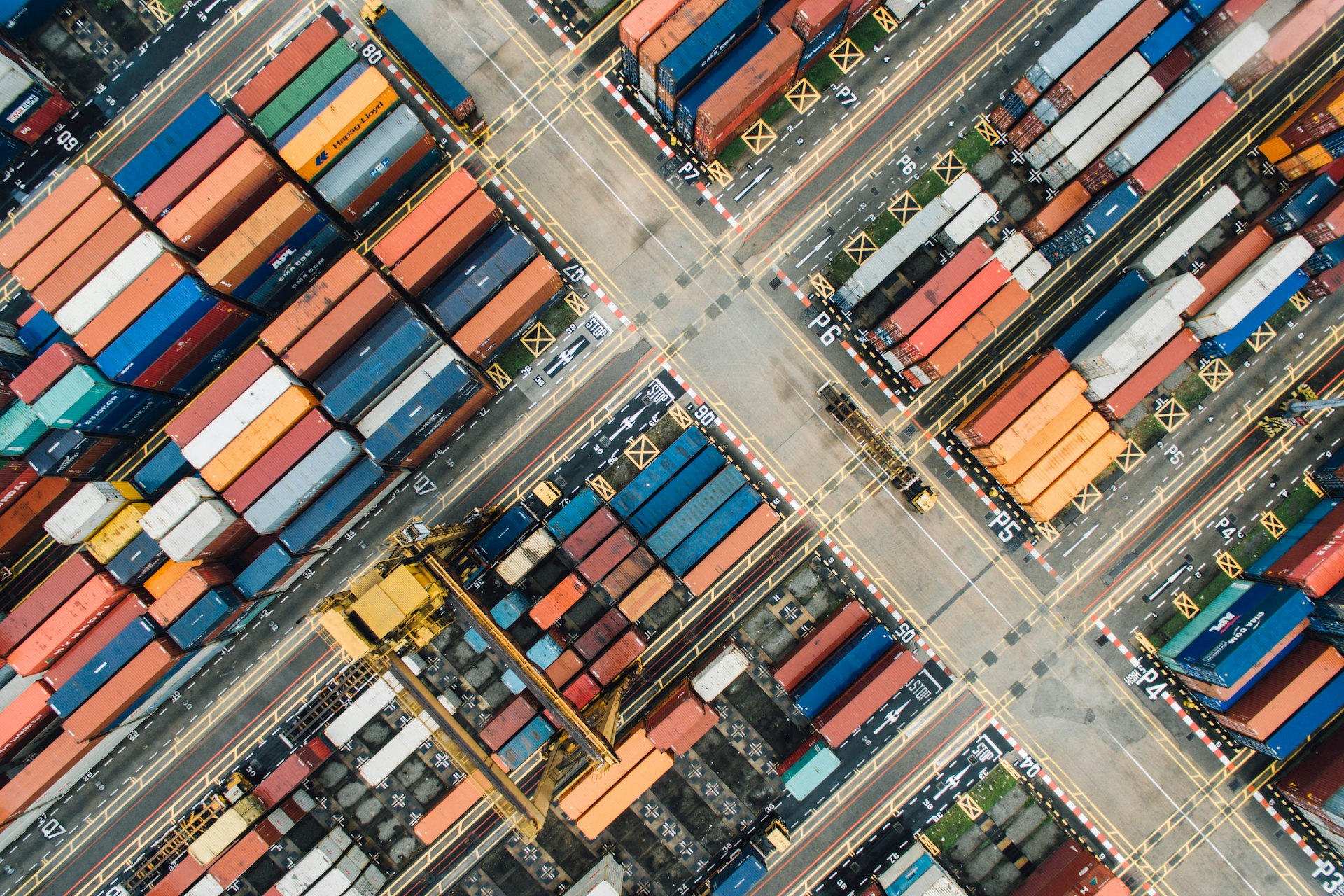
The old trade-offs no longer hold
For years, better service meant more inventory and more cost. Today’s volatility breaks that logic, and exposes supply chains that were designed for a calmer world.
Planning is too slow
Monthly S&OP and weekly supply plans struggle to keep pace with disruption, so teams fall back on spreadsheets, expediting and firefighting.
Inventory is in the wrong place
Too much stock of what is not selling, not enough of what is, and safety stock set by rules of thumb rather than by real variability.
The network was built for yesterday
Warehouse locations, supplier choices and transport lanes designed years ago now drive up cost-to-serve and concentrate risk.
Three levers, one adaptive supply chain
Automation removes manual effort, optimisation makes every decision smarter, and network design makes sure the whole system is built to win.
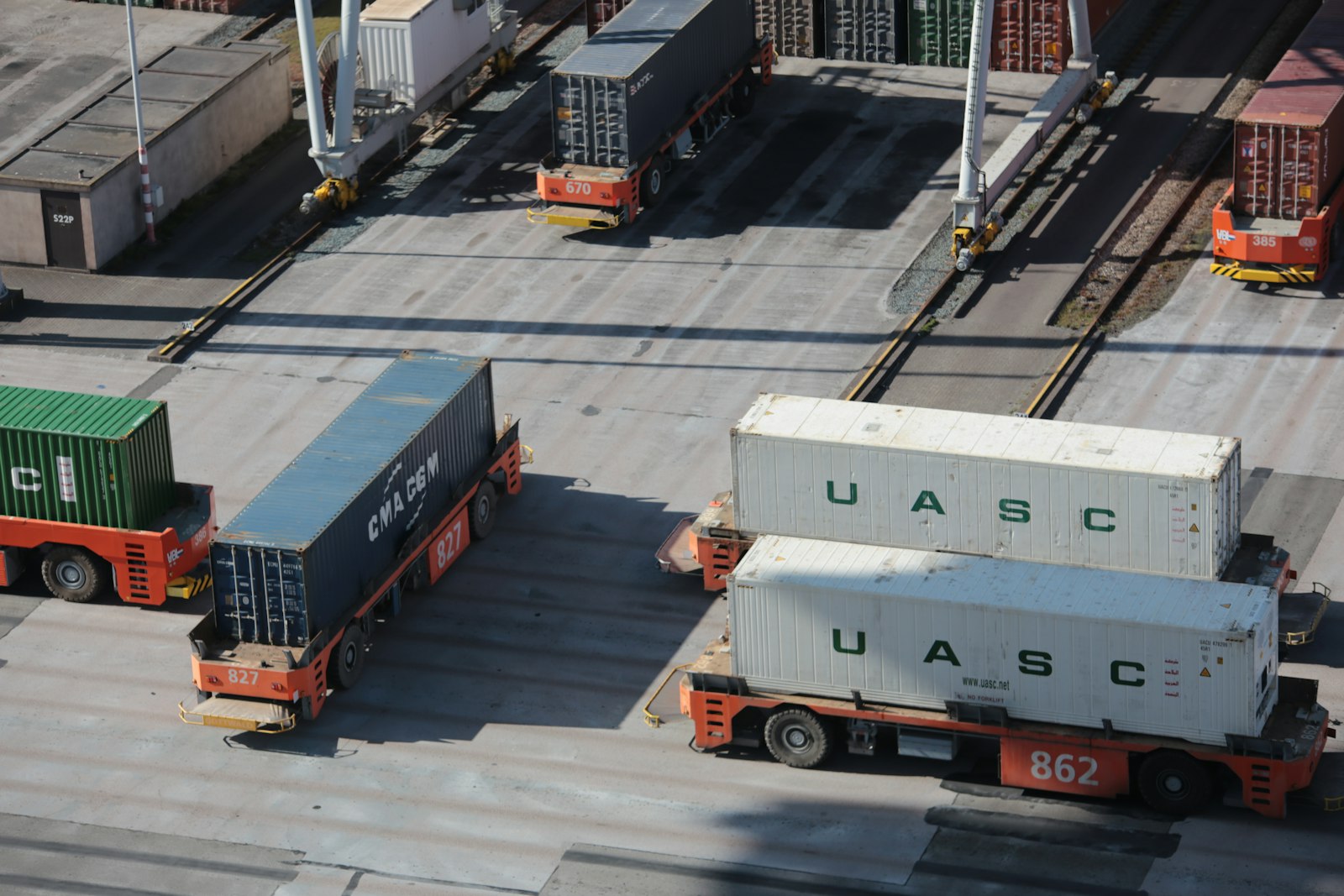
Automate
Supply Chain Automation
Take repetitive work out of both physical and digital flows, so your people focus on exceptions and decisions instead of data entry.
- Warehouse robotics: autonomous mobile robots, automated storage and smart picking
- Touchless order, replenishment and invoice processing
- AI agents that spot disruptions and trigger responses within agreed guardrails
- Automated supplier and carrier communications

Optimise
Supply Chain Optimisation
Make better decisions every day, from how much to make and where to hold stock to which route each shipment should take.
- AI demand forecasting and short-term demand sensing
- Multi-echelon inventory optimisation and smarter safety stock
- Production scheduling and continuous S&OP
- Transport planning, load building and route optimisation

Design
Network Design
Decide where to source, make, store and ship from, and keep revisiting it as markets change rather than once a decade.
- Facility location, capacity and footprint strategy
- Sourcing, nearshoring and dual-sourcing scenarios
- Cost-to-serve and service-level modelling by customer and channel
- Risk, resilience and carbon trade-offs side by side
Under the hood
What powers an adaptive supply chain
Adaptive does not happen by adding another dashboard. It takes the right technology foundation, trustworthy data and the right models for each decision.
01 · Technologies
A connected digital core
The systems that capture what is happening and let you act on it.
- Cloud data platform integrating ERP, WMS, TMS and order management
- IoT sensors, RFID and vehicle telematics for real-time visibility
- A supply chain digital twin of your end-to-end network
- Control tower and AI agents for monitoring and exception handling
- Warehouse robotics and automation systems
02 · Data
Signals you can trust
Clean, connected data is what turns models into decisions people believe.
- Orders, sales and demand signals, including promotions and seasonality
- Inventory positions, lead times and capacities
- Transport lanes, rates and transit times
- Supplier performance and risk data
- External signals: weather, port congestion, tariffs and commodity prices
- Well-governed master data for products, locations and customers
03 · Models
The right model for each decision
Different questions need different maths. We combine them rather than forcing one tool to do everything.
- Machine learning for forecasting and demand sensing
- Probabilistic models for safety stock and inventory placement
- Mathematical optimisation (linear and mixed-integer programming) for network and production plans
- Vehicle routing and scheduling algorithms
- Simulation to stress-test what-if scenarios
Where AI agents fit: language models are not forecasting engines or optimisation solvers. Their power comes from orchestrating those specialised tools on top of a digital twin, acting on routine decisions within guardrails and escalating the big structural choices to your people.
Service and cost
Hit your service levels without overspending to get there
Not every customer, product or channel needs the same promise. By understanding the true cost-to-serve and setting differentiated service targets, you put inventory, capacity and transport spend exactly where they earn their keep.
What good looks like
- Higher on-time, in-full delivery for the customers who matter most
- Less working capital tied up in the wrong stock
- Fewer expedited shipments and emergency buys
- Lower transport and warehousing cost per order
- Faster, calmer recovery when disruption hits
How we work
Start with the decision that hurts most, prove value quickly, then scale.
01
Diagnose
Baseline service, cost-to-serve and data quality, and pinpoint where value is leaking.
02
Model
Build a digital twin and test scenarios before you commit capital or change operations.
03
Deploy
Put optimisation and automation into daily operations, integrated with your existing systems.
04
Adapt
Monitor continuously, retrain models and widen what agents can handle as trust grows.
Related capabilities
Ready to build a supply chain that adapts?
Tell us about the decision that keeps you up at night, and we will show you how automation, optimisation or a network redesign could change it.