Sectors · Clean energy
Clean energy: from breakthrough technology to bankable projects
Electricity demand is climbing again, driven by electrification and AI data centres. Much of the technology is ready; the hard part is financing, scaling and connecting it.
Activo Group brings its Solutions experience to clean energy ventures: capital strategy that fits hardware and infrastructure, plus AI agents, analytics and digital products that de-risk R&D and speed up deployment.
- Climate tech startups
- Investors & funds
- Energy developers
- Corporates & utilities
Why clean energy ventures are different
Clean energy spans generation, storage, grids, fuels and the software that runs them. Solar and wind are now mature and cheap in many markets. The next wave, from firm clean power to long-duration storage and industrial heat, needs hardware, plants and years of proof before it earns a return.
That makes clean energy a capital-structure problem as much as a technology one. The winners match the right money to each stage, secure customers early, and treat permits and grid connections as part of the product.
A typical software venture
Code, ship, scale
- Low cost to build and test
- Funded mostly by equity
- Customers can sign up in days
- Few physical or regulatory constraints
A clean energy venture
Prove, finance, build, connect
- Pilots and first-of-a-kind plants cost millions
- Needs grants, equity and debt at different stages
- Long contracts with utilities, industry or offtakers
- Permits, grid access and policy shape the timeline
The capital stack changes as you scale
Illustrative mix; real stacks vary by technology and market.
Crossing the first-of-a-kind gap
The hardest step is the first commercial plant: too big for venture capital alone, too unproven for cheap project debt.
- Bridge with smaller, cheaper projects that prove the technology
- Blend grants, strategic equity and government-backed loans
- Sign offtake agreements that lenders can bank on
- Retire technical risk before you scale the balance sheet
The top trends shaping clean energy
Nine shifts are redrawing the energy map. Demand for firm, clean power is pulling capital in; categories that depend on subsidies or carbon prices are under pressure. The labels show our current read of investor appetite.
1 · Clean firm power
Geothermal and nuclear
Next-generation geothermal, small modular reactors and fusion research, prized for power that runs around the clock.
Capital flowing2 · Power for AI
Low-carbon data centres
Data centres need power fast. Speed to power, on-site generation and efficient cooling are now strategic.
Capital flowing3 · Grid tech
A smarter, bigger grid
Interconnection, transmission upgrades, grid software and virtual power plants that unlock existing capacity.
Capital flowing4 · Storage
Batteries and long-duration
Grid batteries, thermal storage and long-duration chemistries that turn variable renewables into reliable supply.
Selective5 · Electrification
Heat and industry
Heat pumps, industrial heat and electrified processes for steel, cement and chemicals.
Selective6 · Transport
EVs, charging and fleets
Commercial fleets, charging networks and battery supply chains as electric transport scales.
Selective7 · Climate intelligence
Data, AI and Earth observation
Satellite monitoring, climate-risk analytics and AI that forecasts, optimises and maintains energy assets.
Capital flowing8 · Fuels
Hydrogen and low-carbon fuels
Green hydrogen, sustainable aviation fuel and e-fuels, held back by cost and changing subsidies.
Early, patient money9 · Carbon
Capture and removal
Carbon capture and removal, increasingly funded through offtake contracts rather than equity.
Early, patient moneyTrend map: time to revenue against capital intensity
Our judgement, for orientation only; individual companies vary.
Reading the map
- 1Clean firm power
- 2Power for AI data centres
- 3Grid tech and software
- 4Storage
- 5Heat and industrial electrification
- 6Transport and charging
- 7Climate intelligence
- 8Hydrogen and low-carbon fuels
- 9Carbon capture and removal
- Lean platforms reach revenue fastest and suit software-led founders
- Long and heavy plays need infrastructure investors and offtakers
Where the capital is going
Climate tech investment is rising again, but it is concentrated. Power for data centres and clean firm power are attracting the largest cheques, while categories that rely on subsidies or carbon prices are struggling to raise.
Change in venture funding, first half of 2026
Versus the first half of 2025. Built environment rose more than 800%, driven by data centres, and is off this scale. Source: CTVC, H1 2026.
Market signals in 2026
- Rising, but concentrated: climate tech venture funding reached $26.1bn in the first half of 2026, while deal count fell to a five-year low
- Data centres lead: low-carbon data centres took about a third of the half’s investment
- Clean firm power goes public: geothermal and nuclear developers completed record IPOs
- Subsidy-driven areas lag: carbon and low-carbon fuels saw sharp falls as policy support shifts
Source: CTVC, H1 2026 climate tech funding report.
What founders report
The biggest barriers are not technical alone
- 73% say capital structure is a top financing challenge
- Half are financing smaller projects to prove their technology first
- Finding offtakers and customers is the second-largest barrier
- Permitting and grid connection delays are growing
Source: CTVC and Elemental Impact survey of 100+ climate founders, 2026.
What it means
Strategy beats science alone
- Start with demand that exists today, such as power for data centres and industry
- Design the capital stack before you need it
- Treat offtakes, permits and grid access as core milestones
- Investors who can judge first-of-a-kind risk find less crowded deals
Where startups should focus
Demand
Sell to urgent, funded demand
Data centres, utilities and heavy industry need clean power now and will pay for speed and reliability.
Proof
Prove small before you build big
Use pilots and smaller projects to retire technical risk cheaply before raising for a full plant.
Capital
Design the capital stack early
Equity for technology, debt for projects. Plan which money funds which milestone from day one.
Customers
Lock in offtakes and partners
Long-term contracts with creditworthy buyers turn a technology into a project lenders will finance.
Execution
Plan for permits and the grid
Interconnection queues, planning and policy can take longer than the engineering. Start early.
Software
Own the data and software layer
Forecasting, optimisation and monitoring are capital-light ways to win in an asset-heavy sector.
Matching funding to the stage
| Stage | Milestone to reach | Typical funding |
|---|---|---|
| Lab / R&D | Technology works in the lab | Grants, R&D tax credits, angels, university funds |
| Pilot | Performance proven in the field | Seed and Series A, grants, strategic corporates |
| First-of-a-kind | First commercial plant running | Equity plus catalytic and blended finance, venture debt, government loans |
| Rollout | Repeatable projects, contracted revenue | Project finance, asset finance, infrastructure funds |
| Scale | Fleet of assets, market leadership | IPO, M&A, green bonds |
Non-dilutive levers to stretch runway
- Government and innovation agency grants
- R&D tax credits on qualifying research
- Government-backed loans and guarantees
- Asset finance for equipment and charging infrastructure
- Paid pilots with utilities and industrial partners
Build your pitch with Activo+ funding tools →
Where investors should focus
Clean energy rewards investors who can price technology, project and policy risk together, and who know when a company should switch from venture capital to project finance.
Signals worth backing
Demand, contracts and a path to debt
- A customer with an urgent, funded need, not just a policy target
- Signed or advanced offtakes and strategic partners
- Field data that de-risks the first commercial plant
- A credible plan to move from equity to project finance
- A team that has built and operated real assets
Red flags
Technology without a market
- Unit economics that only work with one subsidy
- No route to interconnection or permits
- Scale-up costs and supply chains left until later
- Every plant funded with expensive equity
- No buyer lined up for the output
A balanced clean energy portfolio
Example allocation
- Contracted assets: projects with long-term revenue and lower risk
- Growth tech: grid, storage and software companies scaling with demand
- Breakthroughs: firm power, fuels and materials with outsized upside, sized to lose
Illustrative only, not investment advice.
Questions we help investors answer
- Who is the buyer, and how urgent is their need?
- What does the first commercial plant cost, and who funds it?
- How exposed are the economics to policy changes?
- Is there a credible path to interconnection and permits?
- When should equity give way to project finance?
From lab to bankable project
Every step up the ladder retires a risk and opens up cheaper capital. AI and good data shorten each step: simulating designs before building them, finding sites and grid capacity faster, and proving performance to lenders.
The bankability ladder
Each rung lowers the cost of capital for the next.
Where AI and data help
- Digital twins and simulation to test designs before building
- Site selection and grid-capacity analysis
- Generation, demand and price forecasting
- Predictive maintenance for turbines, batteries and plants
- Agents that prepare grant, permit and lender documents
- Performance data packaged for investors and lenders
Model
Simulate the technology, site and economics before spending on hardware.
Pilot
Run the smallest project that proves performance in real conditions.
Measure
Collect the operating data that lenders and offtakers need to see.
Contract
Turn proof into offtakes, partnerships and permits.
Finance
Move to cheaper project capital and repeat at scale.
↺ Each project makes the next one cheaper
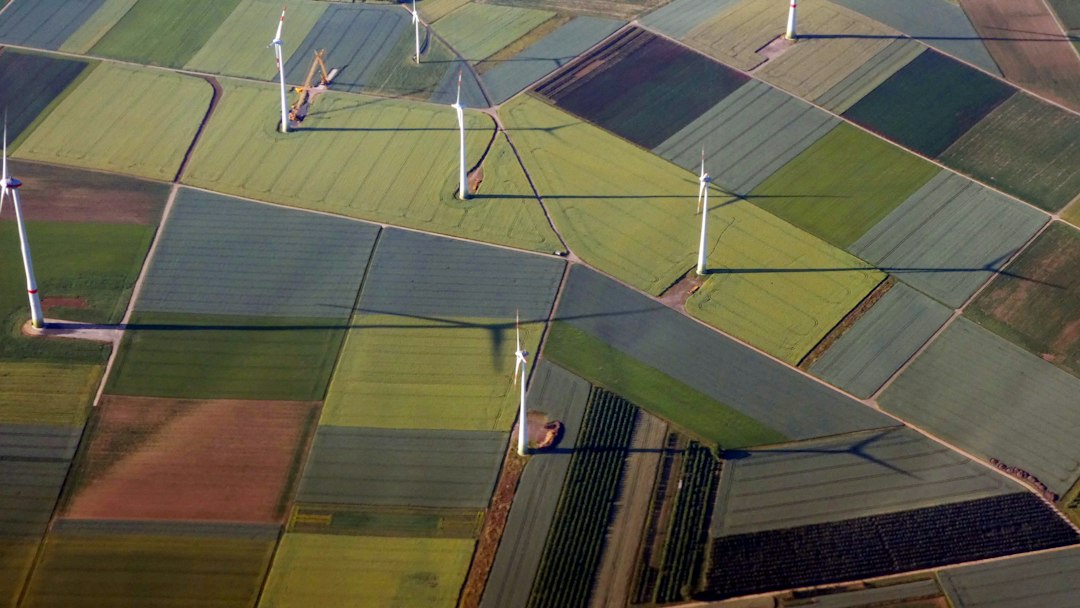
The technology is ready. Capital, customers and connections decide who scales.
Solutions, applied to clean energy
Decide
Strategy for capital-intensive growth
- Strategy Execution: a stage-gated programme of pilots, projects and R&D bets
- Product Market Fit: the right customer, offtaker and market to start with
- Growth Mindset: partnerships, go-to-market and a compelling investor story
- Funding readiness: capital stack design, grants and pitch decks
Build
Tools that speed up deployment
- AI Models & Agents: research, grant, permit and document agents
- Actionable Analytics: asset performance, forecasting and 24/7 monitoring
- Product Development: energy software, customer apps and integrations
- Digital twins and models that test ideas before hardware
Where we help
Venture review
Test the technology, market, capital plan and route to bankable projects.
Capital stack design
Match grants, equity, venture debt and project finance to each milestone.
Grants and funding readiness
Grant applications, R&D tax credits, data rooms and pitch decks.
Energy analytics
Forecasting, asset performance and 24/7 monitoring that flags issues early.
AI agents
Research, permit, grant and lender-document agents that save weeks.
Investor due diligence
Independent review of technology, project, policy and market risk.
Start today
Turn clean energy technology into a fundable plan
Whether you’re building a clean energy venture or investing in one, tell us where you are on the path from lab to bankable project. We’ll help you focus on the right customers, design the capital stack and reach the next milestone faster.